
A boat tour from Himara is one of those holiday experiences that feels simple: step aboard, follow the coast and spend the day swimming in beautiful places.
The only problem is that the most memorable stops are often far from shops, beach bars and changing rooms. Once the boat leaves the harbor, finding something you forgot is not always possible.
Packing well does not mean carrying a large beach bag filled with things you may never use. In fact, the best approach is to travel light and bring a small number of useful items.
This Himara boat tour packing list covers what you should wear, how to protect your belongings and which essentials will make the day more comfortable.
Start With the Right Clothes
Wear your swimsuit before arriving at the departure point. Changing clothes on a small boat can be awkward, while some remote beaches have no facilities at all.
Over your swimsuit, choose light and comfortable clothing that dries quickly. A loose T-shirt, linen shirt, shorts or a simple beach dress will work better than heavy denim or thick fabrics.
Even during the hottest months, it is worth packing a light extra layer. The air may feel warm in Himara, but the breeze becomes cooler once the boat begins moving, particularly during morning departures or on the return journey.
Footwear should also be simple. Flip-flops are fine for relaxing on the boat, but sandals with secure straps or water shoes are more practical when stepping onto pebbled beaches and rocky swimming areas.
Take Sun Protection Seriously
The sun often feels stronger at sea because there is little shade and light reflects from the water. You may not notice how much exposure you are getting while the boat is moving.
Pack a high-protection sunscreen and apply it before departure. Keep it somewhere easy to reach so that you can reapply after swimming instead of leaving it at the bottom of your bag.
A secure hat is useful, although wide hats can easily blow away during the ride. A cap or hat with a chin strap is usually the safer choice.
Sunglasses are another essential. If they tend to slip, attach a simple strap so you do not lose them when boarding the boat or leaning over the side.
Your basic sun-protection kit should include:
- High-protection sunscreen
- Sunglasses
- A secure hat or cap
- A lightweight shirt or cover-up
- Lip balm with sun protection
Pack for the Swimming Stops
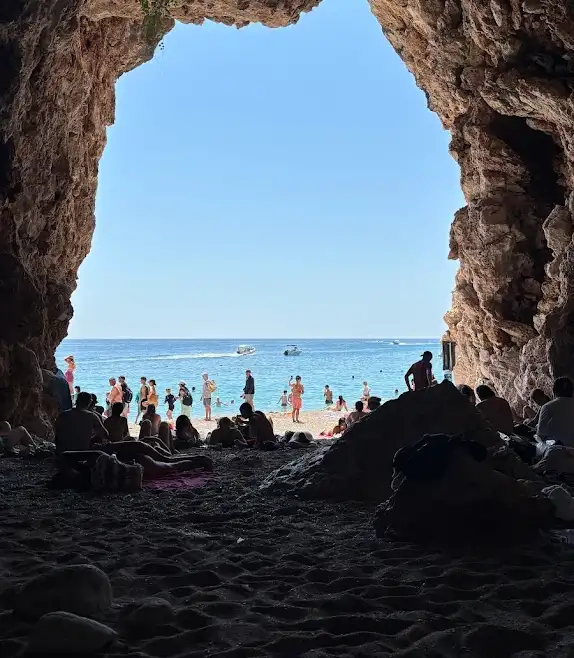
A boat tour is not only about seeing the coast. Swimming stops are often the part people remember most, especially when the route includes small bays, sea caves and beaches that cannot be reached by road.
Bring one compact towel per person. Quick-drying travel towels take up less room, although an ordinary beach towel is perfectly suitable if your bag is not too full.
Water shoes are not essential for every stop, but they can make entering the sea more comfortable on larger pebbles or slippery rocks.
If you enjoy exploring below the surface, bring a mask that fits properly. Some equipment may be available on board, but using your own mask can be more comfortable. Our guide to snorkeling in Himara explains what you can expect at Aquarium Beach, Gjipe, Pigeon Cave and other coastal swimming spots.
A dry T-shirt or light change of clothes is also useful for the journey back to Himara.
Keep Your Phone and Valuables Dry
Most travelers use their phones for photographs, videos, maps and booking information, which makes protecting them especially important.
A waterproof phone pouch allows you to keep your device nearby without worrying about splashes. Some models can also be used while swimming, but always test the seal before placing your phone inside.
For the rest of your belongings, use a small waterproof or water-resistant bag. Keep towels and clothes separate from sunscreen, wet swimwear and water shoes.
Bring only the valuables you genuinely need. A phone, identification document, payment card and a small amount of cash are normally enough. Expensive jewelry and unnecessary electronics are safer at your accommodation.
Before leaving the harbor, check that your phone is fully charged. A small power bank can be useful on a longer tour, especially if you plan to take plenty of photographs.
Bring Enough Water
Time passes quickly at sea, and it is easy to forget to drink while moving between beaches.
Ask what is included before the tour. Even when water is provided, carrying your own refillable bottle is a sensible precaution. Longer routes and full-day excursions require more water than short coastal trips.
Choose light snacks that are easy to carry and do not create a mess inside the boat. Fruit, sandwiches, crackers, nuts and energy bars are practical choices.
Avoid glass bottles and foods that melt quickly in the summer heat. Heavy meals immediately before departure may also make the boat ride less comfortable.
If the itinerary includes a lunch stop, confirm this before packing food. Routes can differ depending on the tour, destination and sea conditions.
What Families Should Add
Traveling with children requires a few additional items, but there is no need to bring an entire suitcase.
Pack extra water, familiar snacks, a spare set of dry clothes and any personal medication your child may need. A favorite small toy or activity can help during longer sections of the journey, although items with many loose pieces are best left at the hotel.
Children should have suitable sun protection and remain supervised around the water. Ask the operator beforehand which sizes of life jackets and safety equipment are available.
Parents planning their first family trip can also read our guide about taking a boat tour with children in Himara.
Prepare for Motion Sickness
Many people feel completely comfortable on a boat, particularly when the sea is calm. Others may experience motion sickness even during a relatively short trip.
If you know that you are sensitive to movement, speak with a pharmacist or doctor about an appropriate option before the day of the tour. Follow the product instructions rather than waiting until you already feel unwell.
Eating a light breakfast, drinking water and avoiding excessive alcohol can also make the journey more comfortable.
Morning departures are often preferred by travelers who want cooler temperatures and generally calmer conditions. The comparison between a morning and sunset boat tour in Himara can help you choose a departure that matches your needs.
Check the Route Before Closing Your Bag
What you need depends partly on where you are going.
A short coastal tour near Himara requires less preparation than a longer trip toward Grama Bay. A private tour may also allow more flexibility with swimming stops, departure times and the amount of time spent at each destination.
Review the planned route on the Himara boat tour destinations page. This will help you understand whether the trip includes caves, remote beaches, longer periods on the boat or several swimming stops.
Routes may still change when weather or sea conditions require it. That flexibility is part of traveling by boat and helps keep the experience safe and comfortable.
What Not to Bring on a Himara Boat Tour
Extra luggage takes up space and makes it harder to keep your belongings organized.
Leave these items at your accommodation whenever possible:
- Large suitcases or bulky bags
- Glass bottles
- Expensive jewelry
- Heavy clothing
- Multiple pairs of shoes
- Unnecessary electronics
- Items that can be damaged by salt water
- Large speakers or equipment that may disturb other passengers
A small, well-organized bag is normally all you need.
Quick Himara Boat Tour Packing List
Before leaving your accommodation, check that you have:
- Swimsuit
- Lightweight clothing
- Dry T-shirt or cover-up
- Towel
- Sunscreen
- Sunglasses
- Secure hat
- Water shoes or sandals
- Drinking water
- Light snacks
- Waterproof phone pouch
- Small water-resistant bag
- Identification and booking details
- Cash or payment card
- Personal medication
- Snorkeling mask, if required
- Fully charged phone
- Power bank for longer tours
Frequently Asked Questions
What should I wear on a boat tour in Himara?
Wear your swimsuit under light, quick-drying clothes. Bring a cover-up or dry T-shirt and choose sandals that remain secure when stepping onto pebbled beaches.
Do I need water shoes?
They are not necessary at every destination, but they are helpful on rocky areas, larger pebbles and slippery surfaces near the water.
Is a large beach bag necessary?
No. A compact bag is easier to store and usually provides enough space for a towel, sunscreen, water, dry clothes and personal belongings.
Pack Light and Enjoy the Coast
A good boat day does not depend on bringing everything you own. It depends on having the right essentials when you need them.
With sun protection, enough water, comfortable clothing and a safe place for your phone, you will be prepared for swimming stops, remote beaches and the journey along the Himara coastline.
Use this Himara boat tour packing list before departure, leave the unnecessary items behind and focus on the reason you came: spending a memorable day on the Ionian Sea.